
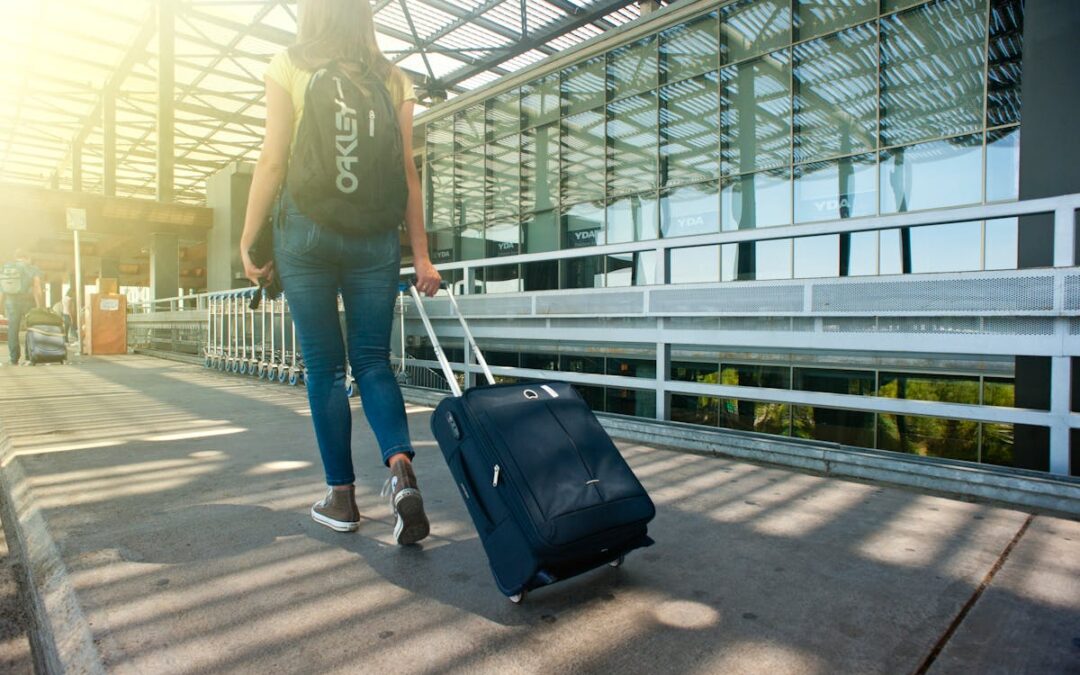
Spring is here, and with it comes the urge to explore — weekend getaways, road trips through the Arizona desert, and long-awaited vacations. But if you live with overactive bladder (OAB), the thought of traveling can trigger anxiety before you even pack a bag. The good news? With the right preparation, you can travel confidently and enjoy every moment.
At BladderCenter in Phoenix, Dr. Tory McJunkin helps patients overcome OAB so they can live fully — including hitting the road without fear. Here are expert-backed travel tips to keep your bladder under control, wherever you go.
## Plan Your Route Around Restrooms
Before any road trip, map out rest stops along your route. Apps like “Flush” and “Where is Public Toilet” use your phone’s GPS to show nearby restrooms in real time. On Arizona highways like I-17 or US-60, rest stops are typically every 30-40 miles — mark them on your map before you leave.
If you’re flying, choose an aisle seat for easy bathroom access. Most airlines accommodate this request at no extra charge when you explain it’s for a medical condition.
## Pack a Bladder-Friendly Travel Kit
Smart packing makes all the difference. Include these essentials:
– **Absorbent pads or guards** — Modern options are thin, discreet, and reliable for unexpected leaks
– **Extra underwear and clothing** — Just in case, stored in your carry-on or glove compartment
– **Water bottle** — Staying hydrated is important, even with OAB
– **Bladder diary** — A quick note of triggers helps you adjust on the go
– **Prescription medications** — Pack more than you’ll need in case of delays
## Time Your Fluid Intake Strategically
Dehydration worsens OAB symptoms, so don’t stop drinking water. Instead, time your intake:
– **Morning:** Drink most of your fluids before noon
– **2 hours before travel:** Reduce intake slightly
– **During travel:** Sip small amounts rather than gulping
– **Avoid bladder irritants:** Coffee, alcohol, carbonated drinks, and artificial sweeteners can trigger urgency
## Use the “Double Void” Technique
Before boarding a plane, starting a drive, or entering a long meeting, try double voiding: urinate, wait 2-3 minutes, then try again. This helps ensure your bladder is as empty as possible, buying you more time before the next urgency wave.
## Know What to Avoid
Certain foods and drinks are notorious OAB triggers. While traveling, be extra cautious with:
– **Spicy foods** — Common in Southwest cuisine, a Phoenix favorite
– **Citrus fruits and juices** — Can irritate the bladder lining
– **Tomato-based dishes** — Another common trigger
– **Caffeine and alcohol** — Diuretics that increase urgency
– **Chocolate** — Contains caffeine and can worsen symptoms
This doesn’t mean you can’t enjoy local cuisine — just be mindful of portions and timing.
## When Travel Tips Aren’t Enough: Consider Advanced Treatment
If your OAB symptoms are so severe that travel feels impossible despite careful planning, it may be time to explore advanced treatment options. At BladderCenter in Phoenix, Dr. Tory McJunkin specializes in sacral neuromodulation (SNM) with the Axonics system — a minimally invasive therapy that can dramatically reduce or eliminate OAB symptoms.
SNM works by gently stimulating the sacral nerves that control bladder function. Many patients who’ve struggled with OAB for years find lasting relief, allowing them to travel, socialize, and live without constantly planning around bathroom access.
The procedure is outpatient, and most patients return to normal activities within days. If conservative treatments like medication and behavioral therapy haven’t provided enough relief, SNM might be the answer.
## Travel with Confidence This Spring
Don’t let overactive bladder keep you home this spring. With smart planning, the right supplies, and — when needed — advanced treatment, you can enjoy every trip without worry.
If you’re ready to explore lasting solutions for your OAB, contact BladderCenter in Phoenix to schedule a consultation with Dr. Tory McJunkin. Your next adventure awaits.
*BladderCenter is located in Phoenix, Arizona, serving patients throughout the Valley including Scottsdale, Tempe, Mesa, and Chandler.*